
Carolina Azevedo

Estudante de Jornalismo | Film Writer for Unpublished Zine 

Graduanda de Jornalismo da Faculdade Cásper Líbero, atualmente trabalho como colunista para a revista Unpublished Zine e colaboradora para a revista digital Her Campus. Fluente em inglês e francês, detenho grande interesse pela fotografia, pela política e pelas artes.  

The Politics of Art: Godard’s Cinematic Revolution —

By making these films, directors such as Chabrol, Truffaut, Varda, and Godard himself were establishing the bases for a cinema that would serve as a means of popular power. These artists confronted an established medium and turned it into something beautiful, significantly by making it in their own molds. After all, as singer David Byrne described in his 2012 book, How Music Works; “The act of making art has a very different and more beneficial effect on us than simply consuming those, and yet f

Other and Self: The Representation Of Women In The Film Industry

Even though women represent the majority of moviegoers, Hollywood is still very sexist towards female film professionals and characters

Despite its over a hundred years of existence, the film industry remains one of the most blatantly sexist areas for a woman to work in. The industry has indeed evolved when it comes to misogyny, as movements such as #MeToo acquired force and fought gender oppression in Hollywood, but this has not been enough.

The sexism is showcased most emphatically in famous

5 Feminist Films You Need to Watch —

As the brilliant nouvelle vague director, Agnès Varda, herself once said about the movie, Cléo de cinq a sept presents a feminist approach on female identity. As Simone de Beauvoir explains in her classic, The Second Sex, “one is not born, but rather becomes, a woman”, and that is the concept used by Varda whilst building the character of Cléo. In this chronicle of a Parisian singer who awaits her test results, the director explores the crippling fear of death of this Hollywoodian Esque woman, w

Male Gaze: An Urgent Hollywoodian Issue —

The objectification of women, however, is not done only through scripts and writing of a certain story or character, it also presents within cinematography, camera movements, and even figurine. In 2016, only 34 films had a female lead or co-lead, which is already alarming, but all the ways in which the male gaze can show up in a movie narrow even more acutely the possibility of women being represented as they are, and not through a men’s lens. Too frequently, even if a woman has a role, she has

Gremlins: “Fun, but in no sense civilized” —

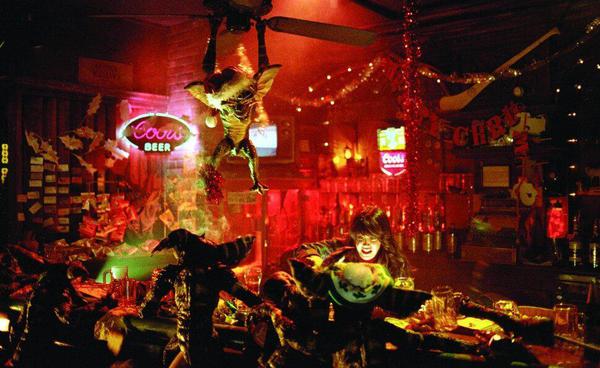
Produced by one of the most influential Hollywood personalities, (especially when it comes to family-friendly adventures), Steven Spielberg’s Gremlins seems like the perfect movie to put on for the kids during Christmastime. A story about cute, loveable, little furry creatures who turn into green monsters and try to destroy a suburban town, does, at first glance, seem quite family-friendly. However, this 80s movie looks and feels nothing like E.T. or Goonies; its adult lines about death, obscure

Berlin International Film Festival’s Decision For Gender-Neutral Acting Wwards —

It is solid that non-binary people have existed, and more than that, have been oppressed by the gender binary standards of society, for millennia. It was only in the last few years, however, that their existence started to enter society’s psyche. Within the film and TV industry, the scenario is no different; few non-binary actors and characters have had a place in Hollywood since the rise of this new consciousness, some examples being Asia Kate Dillon (John Wick 3), Lachlan Watson (The Chilling

Angel of Vengeance: Ms. 45 and The Portrayal of Women in Horror —

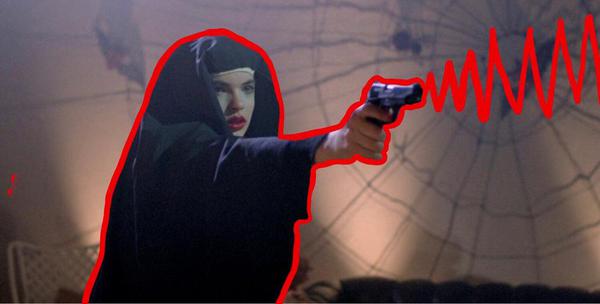
As we go through the Halloween season, there is undeniably a great wave of people watching horror films. From slasher movies to children’s’ Halloween classics, the horror genre encompasses themes that capture the eyes of all kinds of people. With that perception, several filmmakers whose main focus lies in the horror genre, have chosen the thrill of horror as a way to expose social and political issues implicitly. Oftentimes, horror characters and plots are used as metaphors for the daily strugg

The Amorality in America’s Morals: An Analysis of ‘Dog Day Afternoon’ (1975) and its Political Implications —

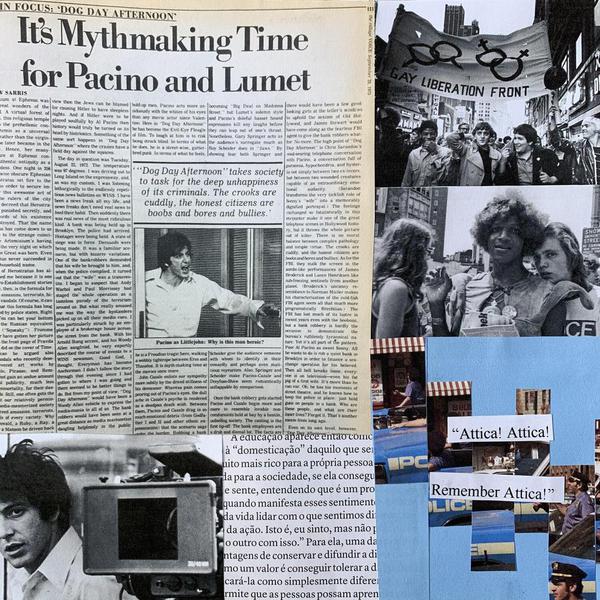
Since its establishment, the Hollywood film industry has been marked by controversies over its negative portrayals of homosexuality and transsexuality. Such depictions reinforce the marginalization and silencencing of queer people, showcasing the homophobic tendencies of North American society, in which people often prefer to see LGBTQ characters defined by their sexual orientation rather than conceive them with any complex character development.

However, Sidney Lumet’s extraordinary 1975 film,

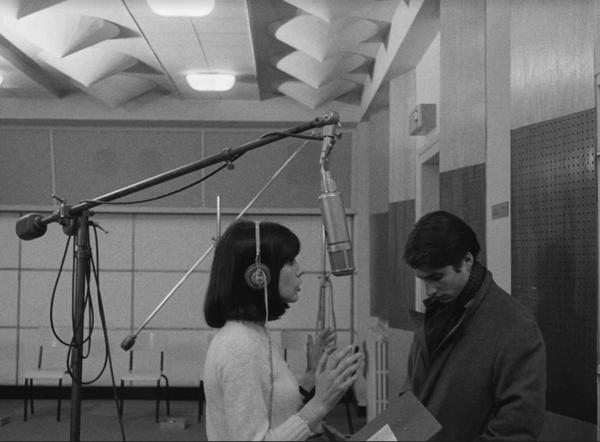
"The Children of Marx and Coca-Cola" of Masculin Féminin (1966) —

Throughout film history, the coming-of-age genre has, aside from playing an important role in the lives of young people of all generations, evolved into an important part of the industry. From James Dean’s Rebel Without a Cause to Greta Gerwig’s Lady Bird, the genre has encapsulated a variety of different themes, repeatedly involving questions of love and sexuality, social injustice, and all the worries surrounding youth. Jean-Luc Godard’s 1966 film, Masculin Féminin is one of these movies, show

Destructiveness of Creativity

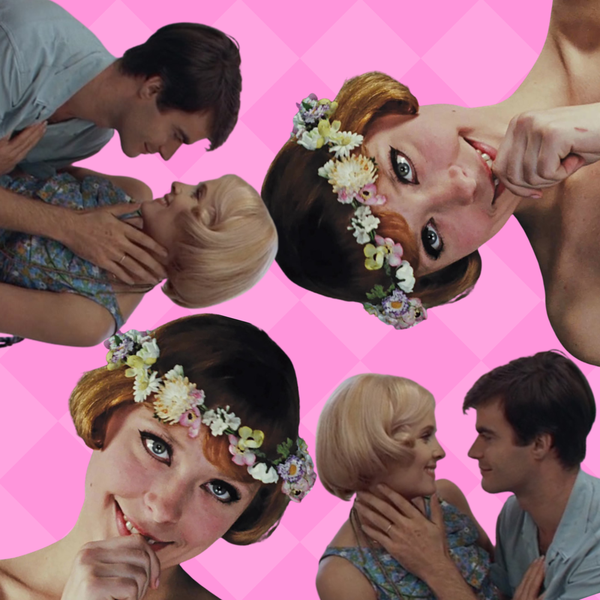
Věra Chytilová’s extraordinary 1966 film, “Daisies”, is, to this day, one of the best uses of art to denounce oppression and gender inequality. Following the frenzy of two girls at war with common sense and political conservatism, the pioneering female filmmaker of the Czech New Wave creates an utopia where women are liberated from conservative conventions.

Pioneer in the Czech Avant Garde movement, Chytilová’s cinema materializes in a time of political turmoil in soviet Czechoslovakia. Filmed